How to Prepare for Your First Multi-Day Hiking Adventure
Your legs are screaming on day three of your hiking adventure. Your lower back aches. Your knees feel unstable on uneven terrain. These are the telltale signs of inadequate preparation—and they're completely preventable. The right exercises for hiking transform your body from unprepared to trail-ready, allowing you to enjoy your adventure instead of just surviving it.
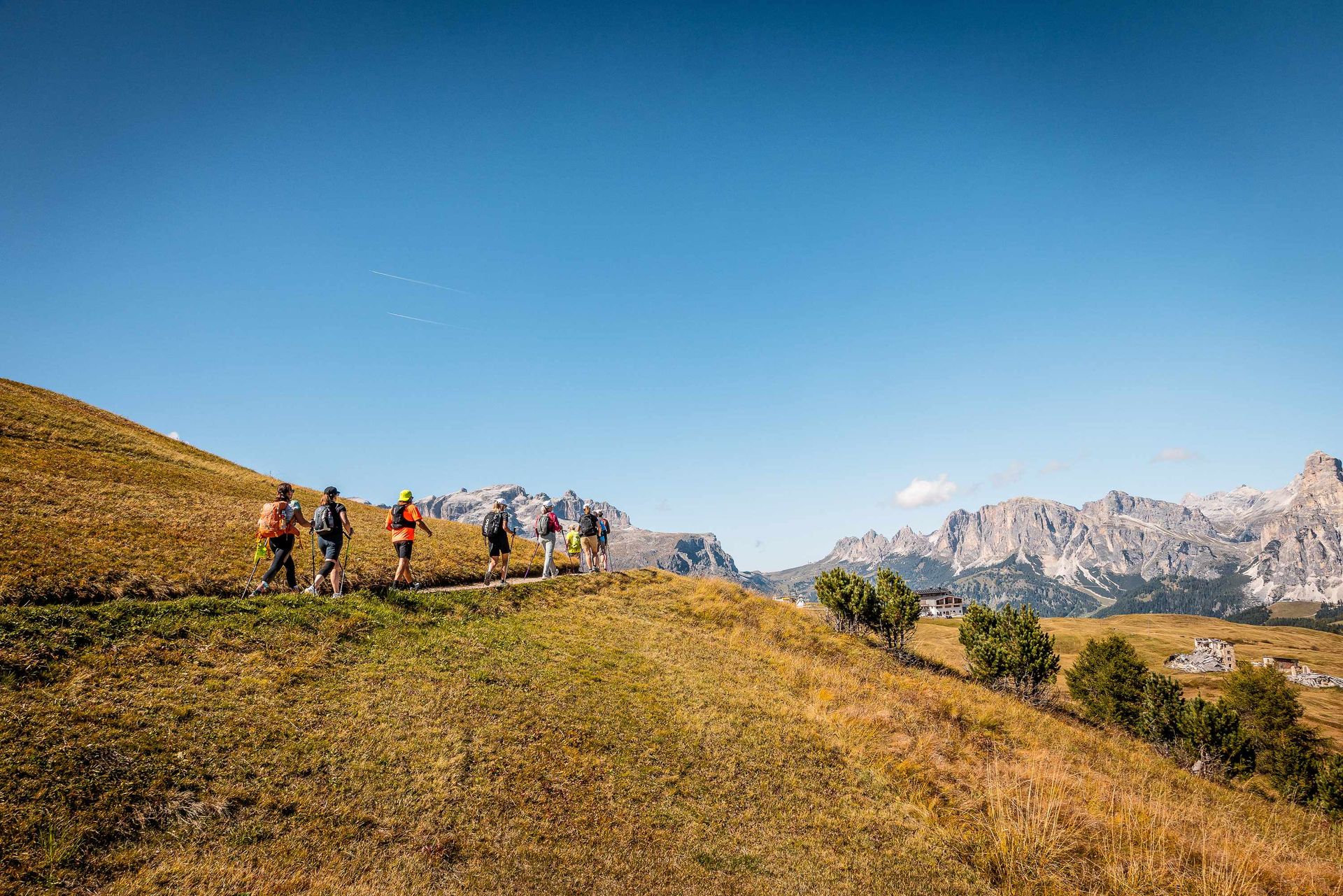
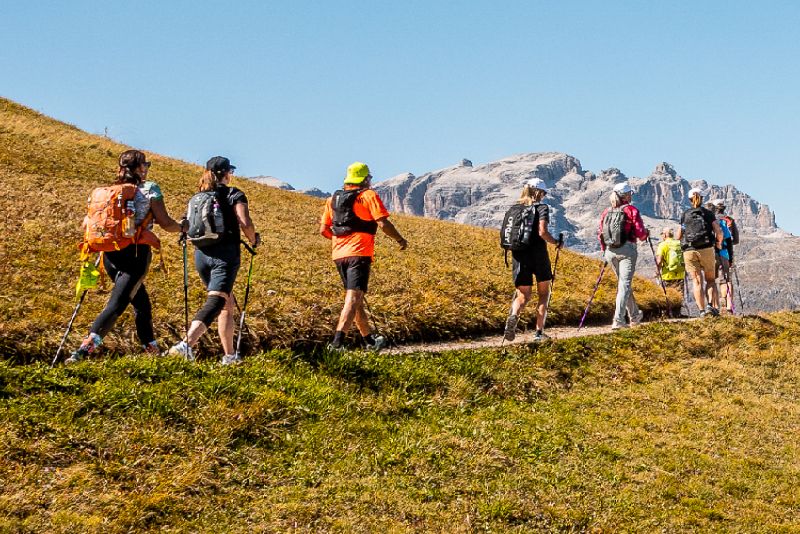
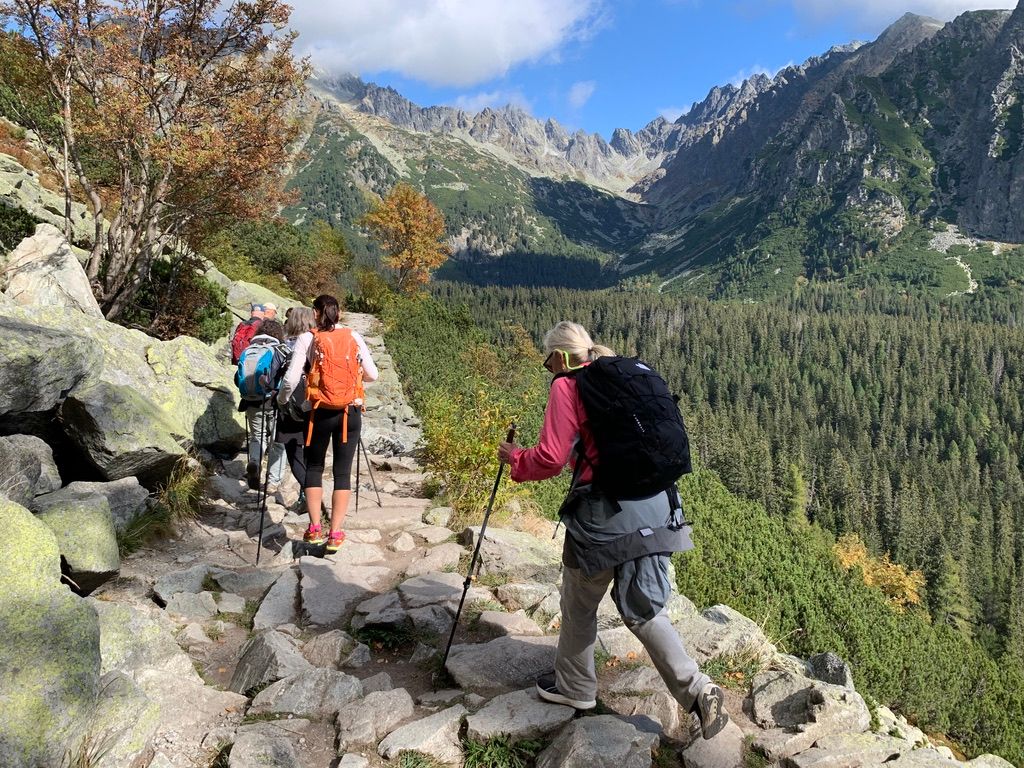
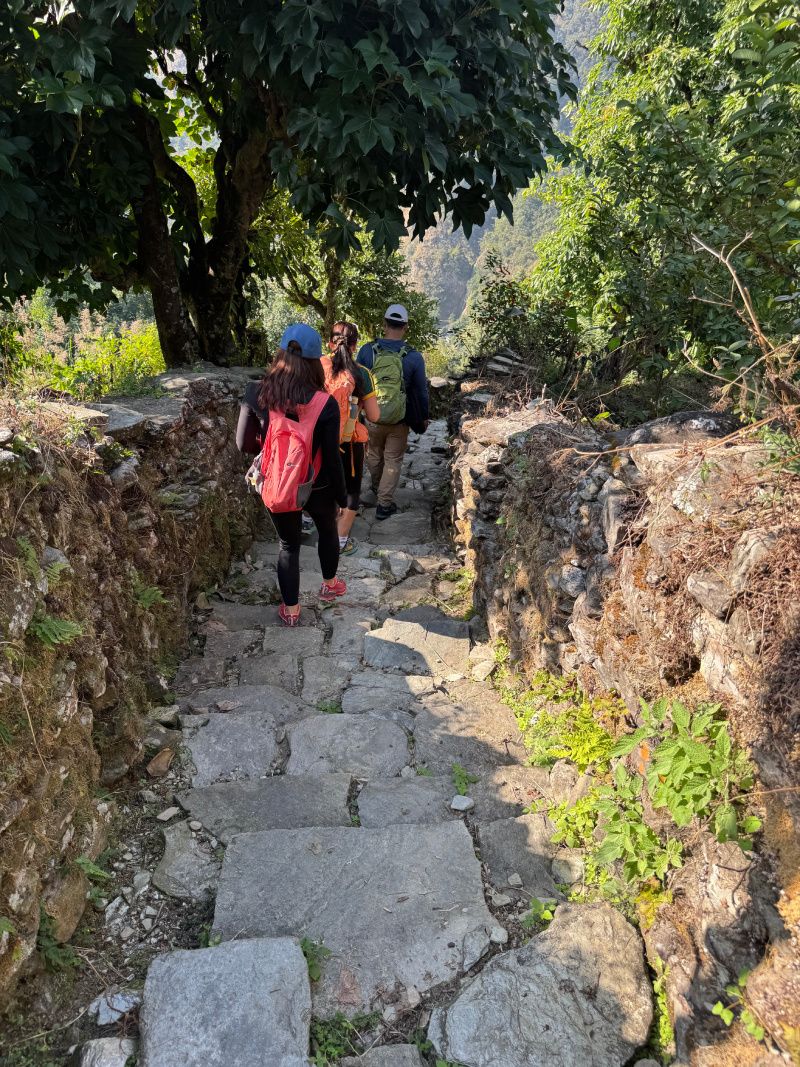
This guide walks you through the exact exercises that prepare your body for multi-day hiking, regardless of your current fitness level. Whether you're preparing for the
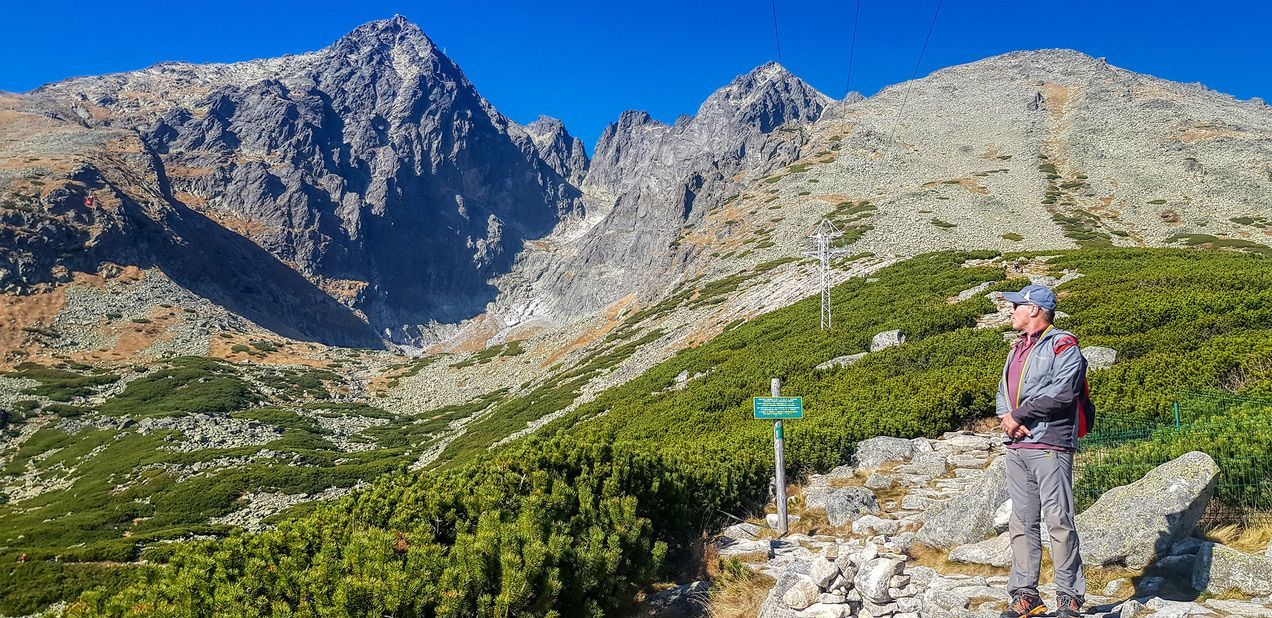
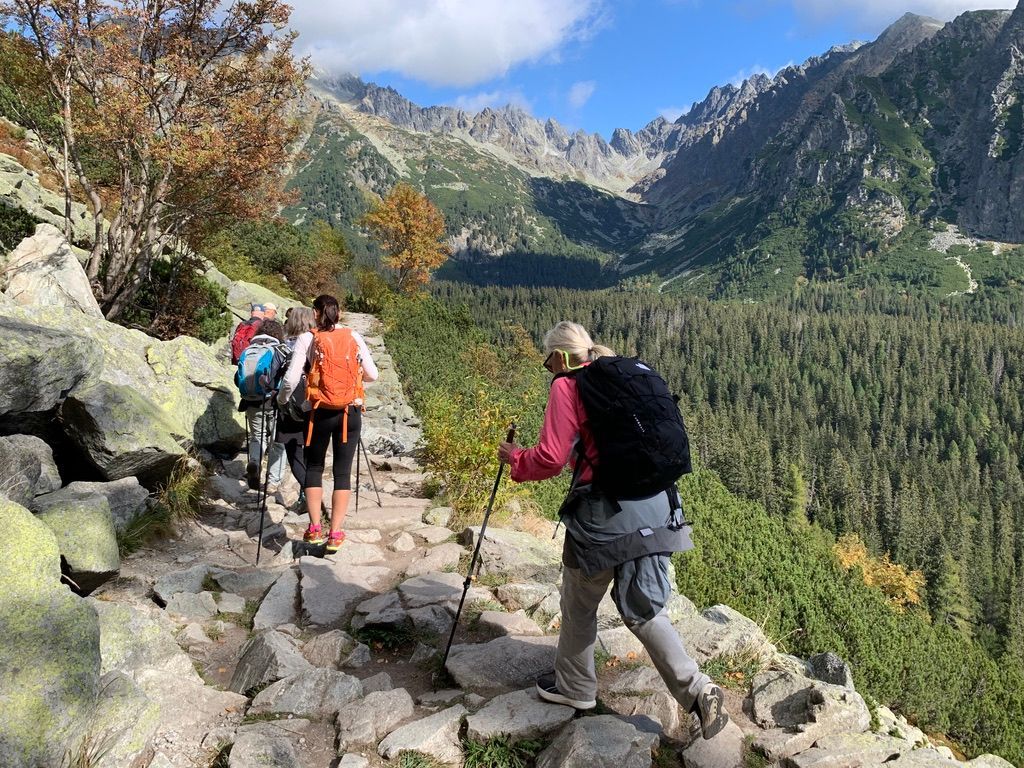
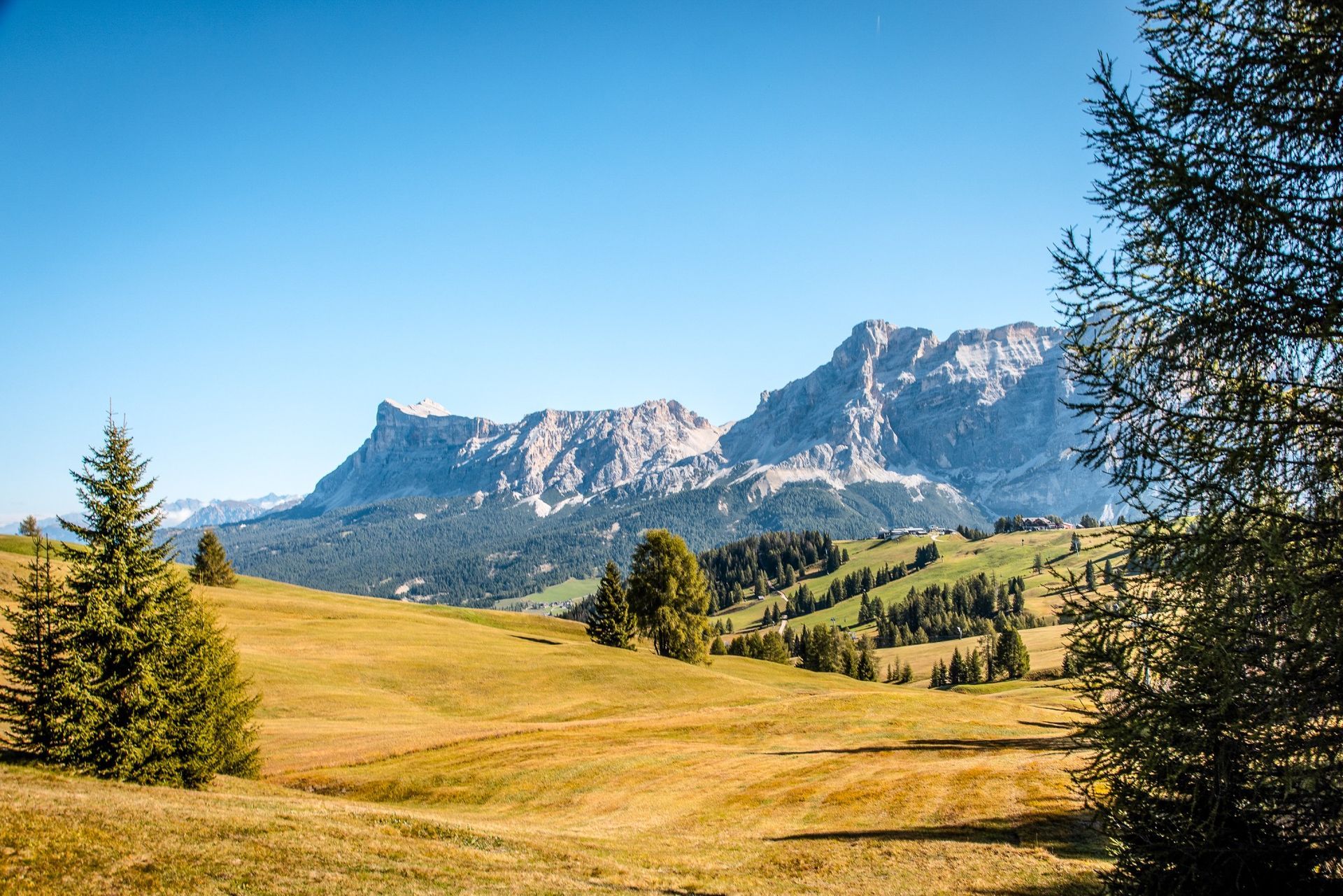
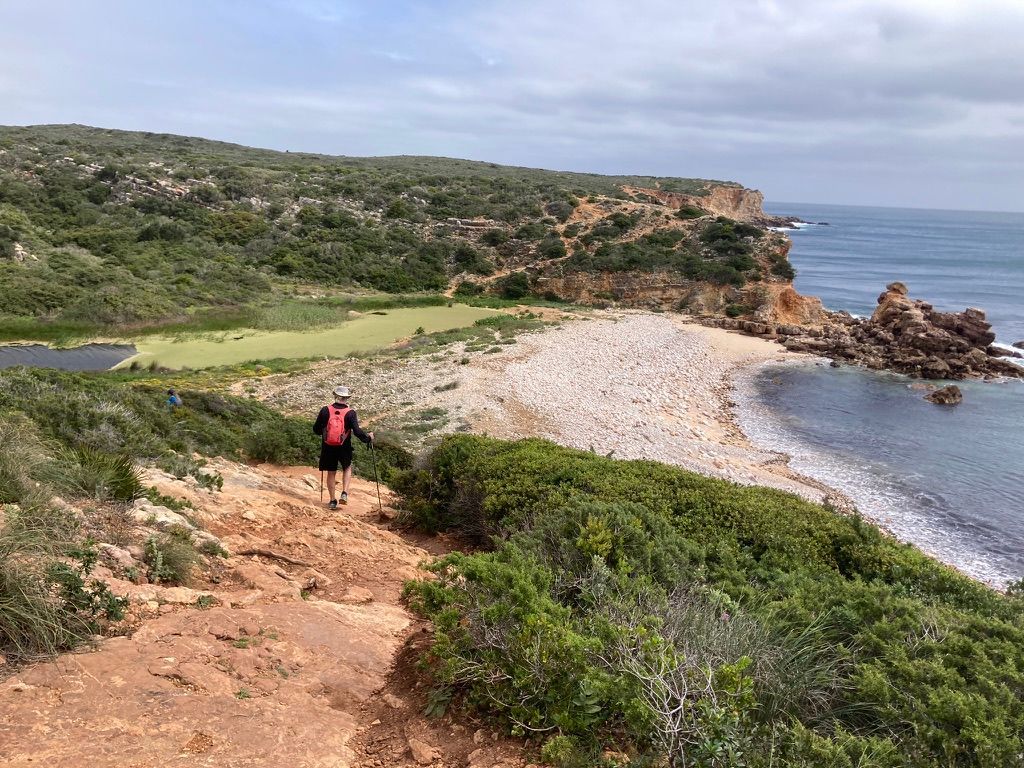
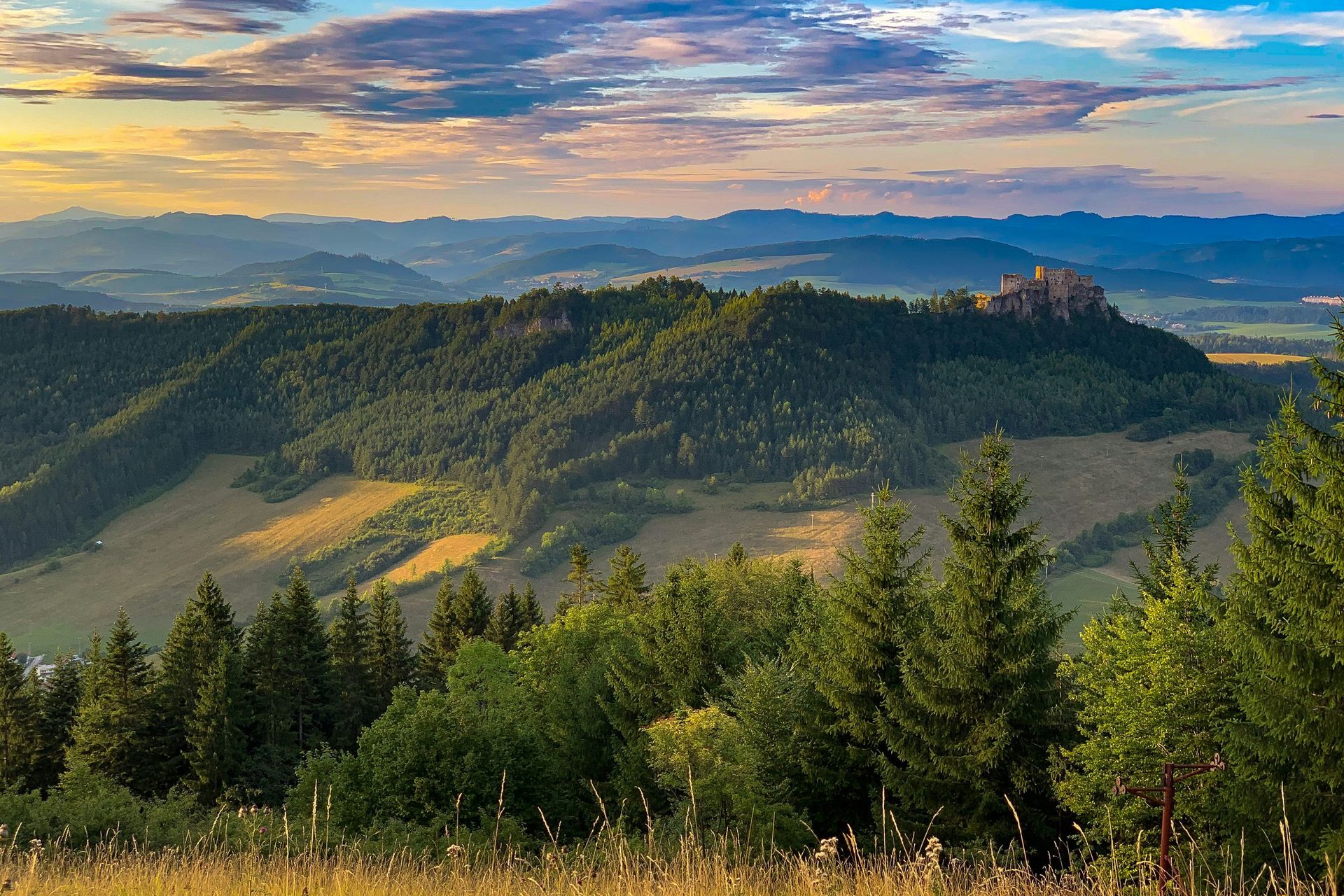
Dolomites, Portugal, Slovakia, or Nepal, these exercises work for any destination.
Why Hiking Prep Exercises Matter
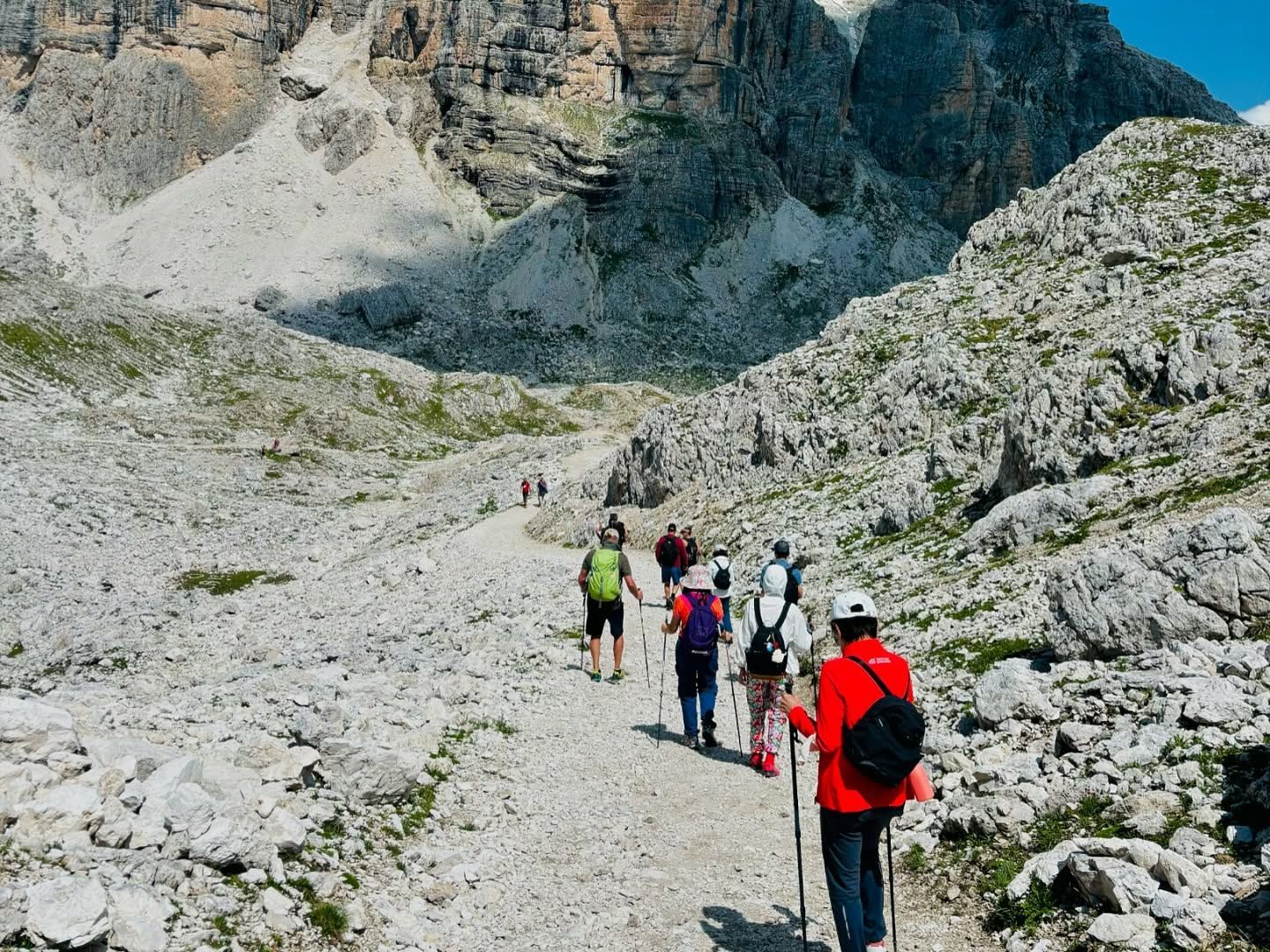
Hiking demands more from your body than most people realize. You're not just walking on flat ground. You're ascending steep terrain, descending with impact, carrying weight, and doing this for hours on consecutive days. Your muscles need to be strong. Your cardiovascular system needs to be conditioned. Your joints need to be stable.
Building Hiking-Specific Strength
General fitness isn't enough. You need strength in the specific muscles that hiking demands: your quads, hamstrings, glutes, calves, and core. These muscles stabilize your body, propel you uphill, and control your descent. When they're weak, your joints compensate, leading to injury and pain.
Preventing Common Injuries
Knee pain, lower back strain, and ankle instability are the most common hiking injuries—and they're almost always preventable through proper training. Strength training builds the muscular support your joints need to handle the demands of multi-day hiking. When you arrive at the trailhead prepared, you arrive injury-free.
Lower Body Strength Training
Your legs are the engine of hiking. Building lower body strength is non-negotiable.
Squats
Squats build strength in your quads, hamstrings, and glutes—the primary movers in hiking. Stand with feet shoulder-width apart, lower your body as if sitting back into a chair, then drive through your heels to stand. Keep your chest up and your weight in your heels. Do 3 sets of 12-15 reps, 2-3 times per week.
Lunges
Lunges work each leg independently, building unilateral strength and balance. Step forward, lower your body until both knees are at 90 degrees, then push back to standing. Alternate legs. Do 3 sets of 10 reps per leg, 2-3 times per week. This exercise directly mimics the stepping motion of hiking.
Step-Ups
Step-ups directly mimic the hiking motion. Find a step or bench about knee height. Step up with one leg, drive your knee up, then step back down. Do 3 sets of 12 reps per leg, 2-3 times per week. As you get stronger, hold dumbbells or increase step height. This is one of the most hiking-specific exercises you can do.
Calf Raises
Your calves work constantly on descents. Stand with feet hip-width apart and raise up onto your toes, then lower back down. Do 3 sets of 15-20 reps, 2-3 times per week. For added difficulty, do single-leg calf raises. Strong calves prevent calf cramps and shin splints on long descents.
Glute Bridges
Strong glutes stabilize your hips and reduce strain on your knees. Lie on your back with knees bent and feet flat. Drive through your heels to lift your hips, squeeze your glutes at the top, then lower. Do 3 sets of 15 reps, 2-3 times per week. This exercise is essential for knee health.
Core Strength Exercises
A strong core stabilizes your body on uneven terrain and reduces lower back strain. Your core is the foundation of hiking performance.
Planks
Planks build isometric core strength. Hold a push-up position with forearms on the ground, keeping your body in a straight line. Start with 20-30 seconds and work up to 60+ seconds. Do 3 sets, 3 times per week. Planks are one of the most effective core exercises for hiking.
Dead Bugs
Dead bugs build core stability through movement. Lie on your back with arms extended toward the ceiling and knees bent at 90 degrees. Lower your right arm and left leg simultaneously, then return to start. Alternate sides. Do 3 sets of 10 reps per side, 2-3 times per week.
Bird Dogs
Bird dogs improve core stability and balance. Start on hands and knees. Extend your right arm and left leg simultaneously, hold for a moment, then return. Alternate sides. Do 3 sets of 10 reps per side, 2-3 times per week. This exercise improves the balance and stability you need on uneven terrain.
Mountain Climbers
Mountain climbers build core strength and cardiovascular endurance. Start in a push-up position and drive your knees toward your chest alternately, as if running in place. Do 3 sets of 20-30 reps, 2-3 times per week. This exercise combines core work with cardio conditioning.
Cardiovascular Conditioning
Your heart needs to sustain effort at elevation for hours. Without proper cardiovascular conditioning, you'll struggle on day two and three of your adventure.
Steady-State Cardio
Aim for 30-60 minutes of moderate-intensity cardio 2-3 times per week. Running, cycling, elliptical work, or hiking all work well. The key is consistency—three focused sessions beat sporadic intense workouts. Find an activity you enjoy and stick with it.
Interval Training
One session per week should include high-intensity intervals. Do 30 seconds of hard effort followed by 90 seconds of easy recovery, repeated 8-10 times. This builds aerobic capacity efficiently and improves your ability to handle steep climbs.
Hill Repeats
Find a hill and run or hike up at a hard effort, then walk or jog down for recovery. Repeat 6-8 times. Hill repeats build hiking-specific power and mental toughness. They're the closest simulation to actual hiking terrain.
Flexibility & Mobility Work
Flexibility prevents injury and improves recovery. Don't skip this component of your training.
Hip Flexor Stretches
Tight hip flexors limit your stride and cause lower back pain. Do a low lunge position, push your hips forward, and feel the stretch in the front of your hip. Hold for 30 seconds per side, 2-3 times per week.
Hamstring Stretches
Tight hamstrings limit your range of motion and increase injury risk. Sit with one leg extended and fold forward, feeling the stretch in the back of your leg. Hold for 30 seconds per side, 2-3 times per week.
Calf Stretches
Your calves work constantly on descents. Face a wall, step one leg back, keep your heel down, and lean forward. Hold for 30 seconds per side, 2-3 times per week.
Shoulder Mobility
Arm swing is important for balance and efficiency. Do arm circles, cross-body shoulder stretches, and band pull-aparts. Do 10-15 reps of each, 2-3 times per week.
Sample Hiking Prep Workout Plans
Beginner (8-12 weeks)
Monday: Lower body strength (squats, lunges, calf raises)
Tuesday: 30 minutes steady-state cardio
Wednesday: Core work (planks, dead bugs, bird dogs)
Thursday: 30 minutes steady-state cardio
Friday: Lower body strength + flexibility work
Saturday: 45-60 minute hike or long cardio session
Sunday: Rest
Intermediate (6-8 weeks)
Monday: Lower body strength + core
Tuesday: 45 minutes cardio with one interval session
Wednesday: Upper body + core
Thursday: 45 minutes hill repeats or steady cardio
Friday: Lower body strength + flexibility
Saturday: 60-90 minute hike with elevation gain
Sunday: Rest
Advanced (4-6 weeks)
Monday: Lower body strength + hill repeats
Tuesday: 60 minutes mixed cardio (steady + intervals)
Wednesday: Core + upper body + flexibility
Thursday: 60 minutes hill repeats or tempo run
Friday: Lower body strength
Saturday: 90+ minute hike with significant elevation gain
Sunday: Rest or light activity
Common Mistakes When Training for Hiking
Skipping Warm-Up & Cool-Down
A proper warm-up prepares your body for work. A cool-down aids recovery. Never skip either. Five minutes of light activity before and after your workout makes a significant difference.
Neglecting Core Work
Your core is the foundation of hiking performance. Don't skip it. A strong core prevents injury and improves efficiency on the trail.
Overdoing It Too Fast
Ramping up intensity too quickly leads to injury. Progress gradually. Add 10% more volume or intensity each week.
Ignoring Recovery
Recovery is when adaptation happens. Rest days aren't laziness—they're essential. Your muscles grow during rest, not during the workout.
Ready to Hit the Trail?
Have more questions? Contact us for more information.
You now have the exact exercises to prepare your body for hiking. The combination of lower body strength, core stability, cardiovascular conditioning, and flexibility creates the foundation for a successful, enjoyable multi-day adventure.
The truth is simple: preparation determines your experience. With these exercises, you'll arrive at the trailhead confident, strong, and ready. You'll enjoy the views instead of suffering through the pain.
Want to ensure you have everything packed?
Download our free Dolomites Packing List to see exactly what experienced hikers bring on multi-day adventures. Proper gear combined with proper training creates the perfect foundation for success.
Ready to put your training to use?
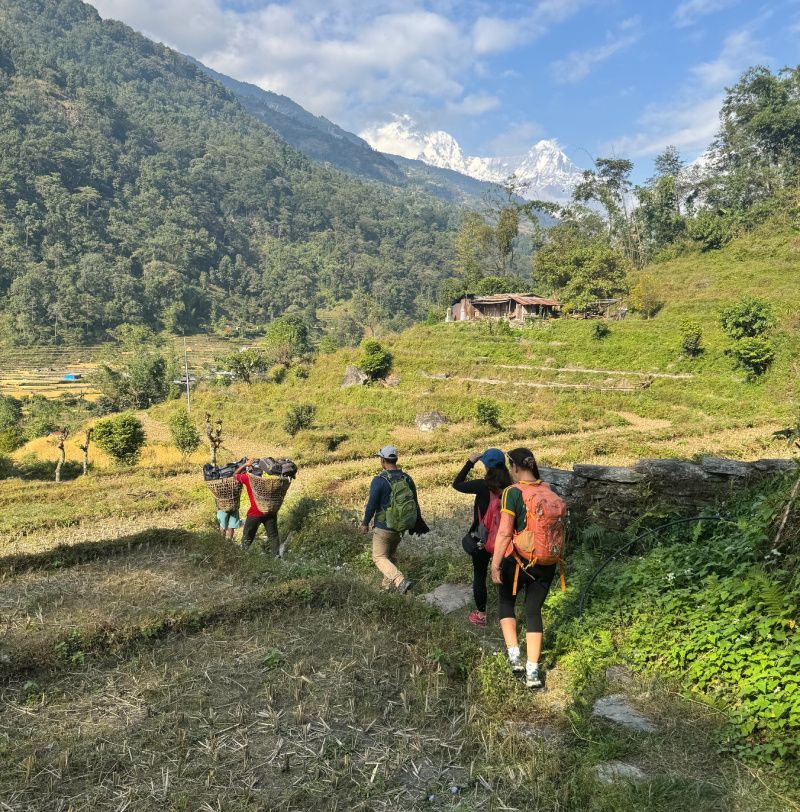
Explore our guided hiking tours and book your adventure. Whether it's the stunning Dolomites, the coastal beauty of Portugal, the dramatic landscapes of Slovakia, or the cultural richness of Nepal's Annapurna trek, we have the perfect adventure for you. All our tours are designed for hikers of all fitness levels, so your preparation will pay off.
Have questions about training or preparation?
Check out our frequently asked questions or learn about Gary's 42 years of hiking expertise. We're here to help you prepare for the adventure of a lifetime.